Mobile App Development
A Complete Development Guide to an AI-Powered Mobile App in...
 Prabhnoor Kaur
- September 8, 2026

 Prabhnoor Kaur


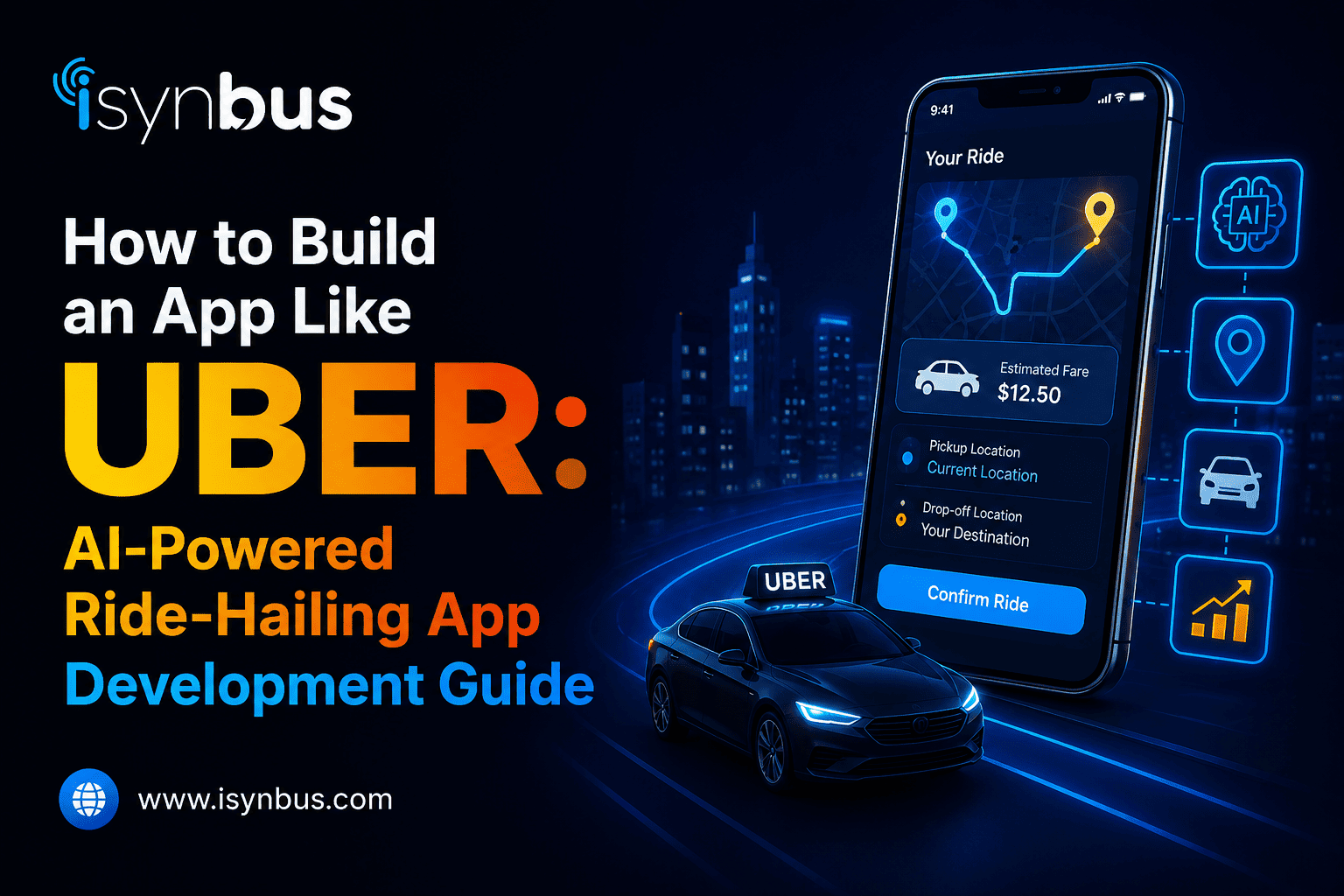
The ride-hailing industry has come a long way from just matching a rider with a nearby driver. Building an Uber-like app in 2026 means building an intelligent transportation platform that predicts demand, optimizes routes, dynamically prices fares, and keeps every trip safe and transparent. The global ride-hailing market is projected to generate $188 billion in revenue this year, creating a real opportunity for new entrants but also intense competition. If you are planning for Uber-like app development for your business, it all comes down to how well you plan features, technology, and cost from day one. The difference between a forgettable clone and a scalable platform is in how well you plan.
Today, an app like Uber is not just a way to book a car. Accurate ETAs, fair pricing, and instant driver matching are what riders expect, and none of these things work well without machine learning humming away in the background. Now AI models are handling demand forecasting, so platforms can place drivers in busy zones before requests arrive. They power dynamic pricing engines that adjust fares based on traffic, weather, and time of the day. They power fraud detection systems that flag suspicious payment activity within seconds. As it pertains to custom taxi app development, one of the fastest ways to fall behind is to treat AI (Artificial Intelligence) as an add-on rather than a core layer, and that’s something your competitors got right from the beginning.
There are three interconnected applications that operate in sync and form the foundation of a functional ride-hailing app development project. These are the driver app, the rider app, and the admin dashboard. Riders want GPS booking, real-time tracking, fare estimates, multiple payment options, and an SOS button for emergencies. Drivers require instant ride alerts, optimized navigation, an earnings dashboard, and the ability to switch availability on the fly. The admin panel is an additional feature that allows business owners to manage commission structures, promo campaigns, surge-pricing rules, and real-time analytics for bookings and revenue. If you have skipped any of these three, they will become an operational headache later. So it pays to plan all three together rather than treating the admin side as an afterthought.
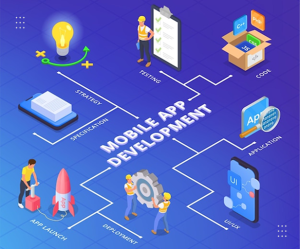
Serious app development for a ride-hailing platform usually consists of nine stages: market research, business model definition, deciding between custom build, white-label, or MVP approach, UI/UX design, choosing technology stack, actual development, QA testing, deployment, and post-launch support. Many successful business owners don’t try to launch every feature all at once. Building an MVP that gets booking, tracking, and payments right, then adding in AI-powered features like predictive dispatch or voice booking after you have real user data tends to lower both risk and upfront spend quite a bit.

For technology, React Native or Flutter are the go-to choices for cross-platform mobile apps; Node.js or Python usually drives the backend; and PostgreSQL or MongoDB handles data storage. Other important integrations for any Uber clone app to function smoothly at scale include Google Maps API for navigation, Stripe or Razorpay for payments, and Firebase for push notifications.
The first question usually every business owner asks, and rightly so. For an app like Uber, a basic MVP version with the essential booking, tracking, and payment features on a single platform typically costs between $25,000 and $45,000. A mid-range build with Android and iOS apps , an admin panel, and standard integrations will cost $45,000–$90,000. If you’re looking for an advanced platform with AI features, dynamic pricing, predictive analytics, multi-language support, and enterprise-grade security, it can cost you over $100,000, sometimes $150,000, depending on the team size and region.
| App Tier | Key Features | Estimated Cost |
|---|---|---|
| MVP | Booking, payment tracking, single platform | $25,000 – $45,000 |
| Mid-Range | iOS and Android, standard integrations, and admin panel | $45,000 – $90,000 |
| Advanced | AI pricing, multi-language, enterprise security, and predictive analytics | $100,000 – $150,000+ |
The price of creating an Uber-like application depends on a few factors: how many platforms you’re building for, the complexity of AI and third-party integrations, the size and location of your development team, and the extent of post-launch maintenance you plan for. And ongoing costs count. Cloud hosting, API usage fees, and regular security updates usually add 15 to 20 percent of the original build cost per year, so planning for year two is just as important as planning for launch.

Keep Exploring Our Latest Insights → Custom Mobile App Development vs Ready-Made Apps: Which Is Right for Your Business?
Even if you seek to build an app like Uber for a niche market like intercity travel, EV rides, or corporate transport, or you’re building a general-purpose taxi platform, working with a team that specializes in ride-hailing saves you months of trial and error. Look for a partner who expertise in real-time GPS systems, payment gateway integration, and AI-based matching algorithms, not just a resume of mobile app work. The right partner will also help you to objectively decide which is the most suitable option for your budget and timeline, whether it is white-label, a modified clone, or a fully custom-developed solution, instead of simply recommending the most expensive option.
Building a ride-hailing platform in 2026 is as much a tech decision as it is a business one. Get the AI layer right, plan your three main panels carefully, and budget practically for both build and maintenance, and you’ll be positioned to compete in a market that’s only getting bigger.

Get the latest insights, updates, and trends delivered to your inbox.