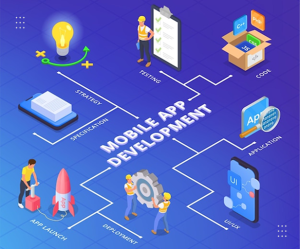
Mobile App Development
Why Businesses Worldwide Prefer App Development Companies in India?
 Prabhnoor Kaur
- July 16, 2026

 Isynbus
The importance of mobile apps in our daily lives is growing. They are used for a variety of purposes, including banking, entertainment, education, and shopping. The need for practical and user-friendly apps continues to rise as more people use smartphones and tablets. Nowadays, companies are concentrating on developing apps to improve their customer connections. The best app development software android and ios can boost sales, customer satisfaction, and aid in expansion. Successful Mobile App Development is therefore essential. It calls for planning, good tools, and knowledgeable developers. Building apps that function well and produce good results can be significantly impacted by selecting the best app development software and collaborating with a reputable mobile app development company, regardless of whether you use iOS or Android.
Although it may seem difficult, anyone can create a successful mobile app from scratch if they follow the correct steps. Following a good and comprehensive plan facilitates the process. Therefore, whether you’re developing an app for entertainment, business, or problem-solving. To get you started, follow these five simple steps.
1. Start with a Clear Idea
You need a clear idea before you start developing an app. Consider a real-world issue that people encounter and how your app can address it. After coming up with an idea, do some research. Verify whether comparable apps already exist and how yours might differ or be superior. Know who your users will be as well. Are you developing the app for small business owners, working parents, or students? You can create features that your audience truly needs by knowing who they are. Moreover, write down your main goals and what you want your app to do. It will guide every step you take next.
2. Focus on the Most Important Features
It’s best to start with a basic version of your app. We refer to this as a Minimum Viable Product (MVP). It indicates that you have only included the most crucial elements required to address the issue. Don’t attempt to construct everything at once. An excessive number of features may cause user confusion and postpone your launch. List the requirements for your app. If it’s an app for taking notes, it should at least allow users to compose, store, and arrange their notes. After launch, you can always add more features like voice notes or cloud sync. In the beginning, keep it tidy and functional.
3. Choose the Right Way to Build
Building a mobile application can be done in many ways. You can create a cross-platform app that functions on both platforms or a native app that is specifically designed for the iPhone or Android. You can collaborate with a small team or a freelance app developer if you’re not a developer. Using app builder tools, which enable you to create basic apps without knowing any code, is an additional choice. While a more complex app might require a professional developer, a simple app with basic features can be created quickly and affordably. Select the approach that best suits your goals and abilities.
4. Design for a Good User Experience
A successful app is visually appealing and simple to use. The layout should be straightforward. It should be easy for users to switch between screens without becoming lost. Keep the layout simple and make use of well-known icons. A well-designed website attracts and retains users. Making a few wireframes or sketches of your application is also beneficial. Moreover, this displays how each component of the app will appear and function. You can improve your planning even if you just sketch on paper. You can start developing the app after you have the design.
5. Test, Launch, and Improve
Test your app thoroughly before launching it. Ask a few people to test it out and make sure it functions on various phones. Correct any errors or unclear passages. Before your app launches, you can get useful feedback from a small test group. You can launch it on Google Play or the App Store once you’re satisfied with how it functions. Once it’s launched, monitor user behavior. Examine their feedback and make improvements to your app. The greatest apps are developed over time with user feedback and updates.
Although developing a mobile application can be thrilling, there are a lot of potential problems. Avoiding some common mistakes can result in wasted time, money, and effort when developing a successful app. Here are five major errors to be aware of:
Inadequate Planning: Starting the app without a plan is one of the biggest mistakes. Without considering the needs of the users or how the app will address a problem as many developers jump right into creating the app. Make a thorough plan, comprehend your target audience, and conduct market research before writing any code. It entails creating the features, selecting the platform and establishing a reasonable deadline.
User Experience (UX) and User Interface (UI): Your app should be simple to use and have a neat appearance. Too many features, difficult-to-read text, or a confusing layout can drive users away. Keep the design basic and concentrate on the most important needs of the users. Moreover, test your app with actual users and make improvements based on their input. Whether or not users continue to use an app is frequently determined by how easy and pleasant the user experience is.
Ignoring Testing: Some developers rush or neglect the crucial step of testing. Your app appears unprofessional when it has bugs and crashes. Before launching, always test the app across various hardware and operating systems to identify and address any problems. Moreover, to ensure that everything functions properly, incorporate security checks, usability testing, and performance testing.
Ignoring Updates: After the app is released many developers believe their work is finished. In actuality, apps require frequent updates to address bugs, enhance functionality and meet user demands. Ignoring this could eventually render your app obsolete and less functional. Make plans for continuing assistance and continue to pay attention to user feedback for upcoming enhancements.
Ineffective Launch and Marketing Strategy: If no one knows about the app, it won’t work, no matter how good it is. Don’t put off thinking about marketing until the app is complete. Create a website, give early access, or post updates on social media to generate excitement before launch. A solid launch plan gives your app a better start and helps draw in more users.
To sum up, although beginning a mobile app development journey can be difficult, success is achievable with the correct approach and clear steps. Start by good planning the features of your app, determining the best tools for the job and comprehending the needs of your users. Keep your design simple and remain receptive to new information and advancements. Remain committed to adding value and resolving actual issues. Moreover, mobile app development helps turn your ideas into useful tools that people can use on their phones. You can develop your idea into a functional app that users love with less time and effort. The secret to long-term success is practice and patience.

Get the latest insights, updates, and trends delivered to your inbox.